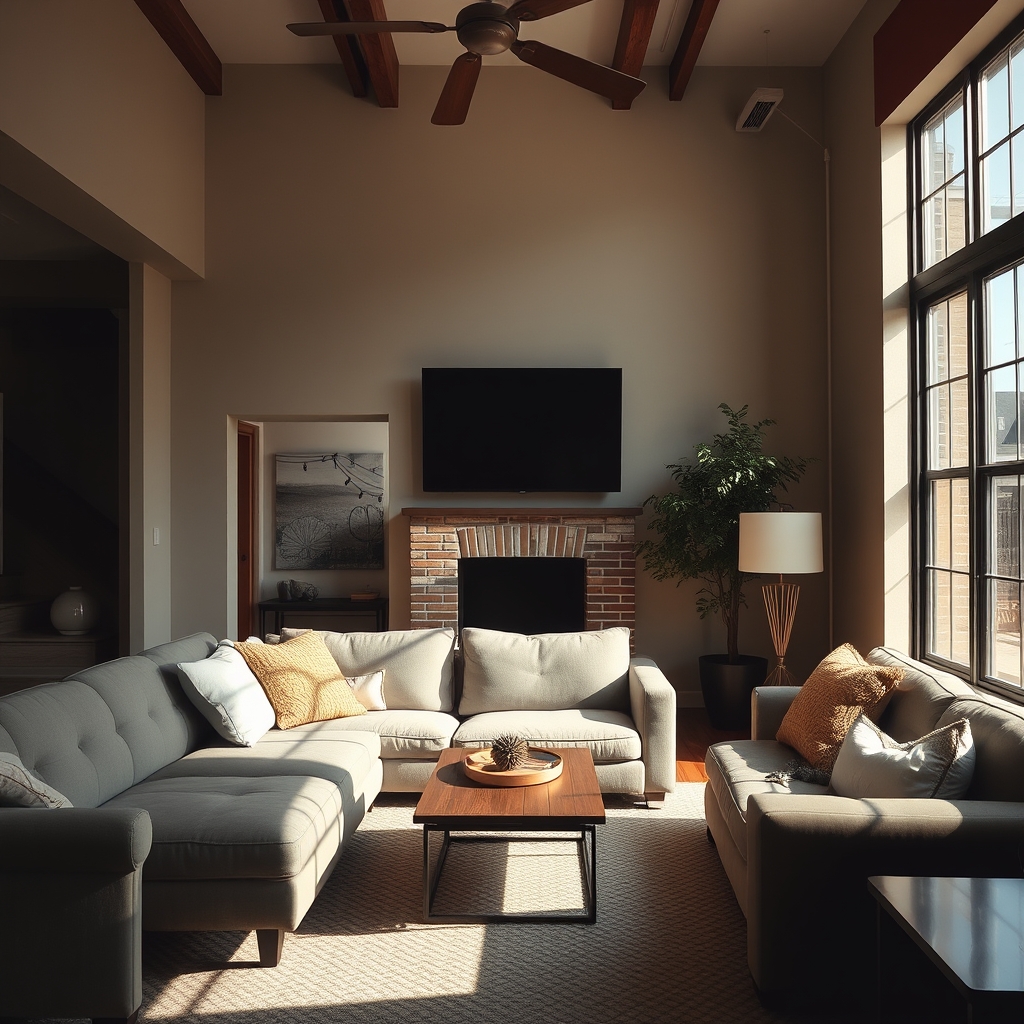
Downtown Tulsa and Midtown Tulsa are roughly two miles apart. They are not the same place, they do not attract the same people, and buying or renting in one when you actually belong in the other is an expensive mistake. Here is the honest breakdown so you can stop romanticizing the wrong neighborhood.
The Core Difference Nobody Says Out Loud
Downtown is a lifestyle you perform. Midtown is a lifestyle you actually live. That is not a knock on Downtown. It is just the truth. Downtown condos and loft apartments sit inside a walkable grid of bars, the BOK Center, the Tulsa Arts District, and the Gathering Place riverfront trail. It is genuinely fun on a Friday night. But run out of coffee on a Tuesday morning and you will notice how thin the everyday infrastructure still is. Grocery options near the core remain limited. Parking is a constant low-grade irritation. Your car still matters more than any developer's press release admits.
Midtown, by contrast, is a real neighborhood that has been functioning as one for decades. It has grocery stores, hardware stores, coffee shops, pediatricians, and dry cleaners. The bones are 1920s through 1950s. The trees are enormous. The sidewalks are uneven in that charming way that also eats bicycle tires. If you want to actually live somewhere rather than be a guest in an entertainment district, Midtown is the stronger base.
Downtown sells you a vision board. Midtown sells you a neighborhood.
Pricing: What You Actually Pay
Downtown condos and newer apartments cluster in a frustrating range. A one-bedroom in a converted warehouse or a newer high-rise development will run you anywhere from the upper $1,400s to over $2,000 a month in rent. If you are buying, finished loft-style condos in the Arts District or the Blue Dome area start in the low $200s for smaller units and climb fast toward the mid $400s for anything with square footage, a parking space, and a view worth posting.
Midtown is a wider market. The Brookside corridor along Peoria carries a premium because everyone already knows it is desirable. A bungalow within walking distance of the restaurants on Brookside will cost you. Expect to start in the mid $300s for a modest 1,100-square-foot house that needs work and push well past $500,000 for a renovated craftsman with an intact original interior. Move slightly east toward the neighborhoods around 21st and Utica and prices ease a little. You can still find legitimate Midtown homes in the low-to-mid $300s if you are not insisting on the most Instagram-ready block.
Property taxes across both areas are more reasonable than buyers coming from out of state expect. Here is how Oklahoma property taxes actually work if you have not done that math yet.
Architecture and Housing Stock
Downtown gives you concrete, steel, and reclaimed brick. Units are often open plan, industrial-influenced, and short on closet space. The buildings were not designed for residential life originally. Some conversions are thoughtful. Some are not. Inspect carefully.
Midtown gives you period architecture that holds its value over time. Tudor revivals, prairie-style foursquares, craftsman bungalows, and mid-century ranches are all in the mix. The variation is part of the appeal. So are the surprises. A house that looks tidy from the street may have deferred maintenance underneath that a decade of flipping cosmetics has covered. Hire a good inspector. Do not skip this step because the tile grout looks fresh.
The prettiest bungalow in Midtown can still have a 1952 electrical panel waiting to ruin your week.
Walkability: The Real Numbers
Downtown wins this category on paper. Walk scores are higher. The density of restaurants, bars, and entertainment within a quarter mile is legitimate. But walkability for errands is different from walkability for entertainment, and Downtown still skews toward the latter. You will walk to dinner easily. You will drive to Target.
Midtown's walkability depends on exactly where you land. The blocks closest to Brookside between 31st and 41st Streets are genuinely walkable for daily life. The further east and north you go in the broader Midtown zone, the more car-dependent it becomes. Do not assume the whole area performs the same.
Schools, Families, and the Honest Trade-Off
If you have children or are planning to, this section matters. Downtown is almost entirely a renter and young professional market. School options in the immediate core require planning and often involve private school choices or open enrollment applications. It is manageable but not automatic.
Midtown feeds into Tulsa Public Schools, which are uneven depending on the specific school. Families who are serious about public school quality in this city often end up looking at Jenks or Union school districts to the south, which pulls them toward Bixby, south Tulsa, or Jenks itself. The neighborhood guide for young professionals covers this trade-off in more detail if you are at that stage.
Who Actually Belongs Where
- Single renters under 35. Downtown makes sense. You will use the nightlife, tolerate the parking, and not miss the yard you do not have.
- Remote workers who want character. Midtown wins. Coffee shops, walkable lunch options, and a home office in a 1940s craftsman beats a loft with thin walls.
- Couples buying their first home. Midtown gives you better resale stability and a real neighborhood. Downtown condo markets are thinner when it is time to sell.
- Empty nesters downsizing. Either area works depending on lifestyle. Downtown if you want lock-and-leave convenience. Midtown if you want to keep a garden and know your neighbors.
- Investors buying rental units. Both areas rent well, but Midtown single-family rentals carry less risk than Downtown condos with HOA fees and association instability.
The Bottom Line
There is no objectively correct answer here. There is only the answer that is correct for you specifically. But be honest with yourself about how you actually spend your time, not how you imagine you will spend it after you move. The cost of getting this wrong goes well beyond the true cost of owning in Tulsa once you factor in moving again in two years because the fit was wrong from the start.
Downtown is real. Midtown is real. They are just real in different ways. Pick the one that matches your actual life, not your aspirational one.